
Disclaimer: This article is for informational purposes only and is not medical advice. Always consult your healthcare provider before making significant dietary changes, especially if you have digestive conditions or are taking medications.
Your gut health influences everything from your immune system to your mood, yet most of us neglect the foods that heal our digestive system. The gut microbiome—a complex community of trillions of microorganisms—thrives when we feed it the right foods that heal your gut and support healthy digestion. Understanding which foods promote gut healing can help you build a foundation for lasting digestive wellness and overall health.
Recent research from the Academy of Nutrition and Dietetics emphasizes that dietary choices directly shape our microbiome composition. When you consume foods that heal your gut, you actively support the growth of beneficial bacteria, reduce inflammation, and strengthen your intestinal barrier. This comprehensive guide explores 10 powerhouse foods scientifically shown to transform your digestive health.
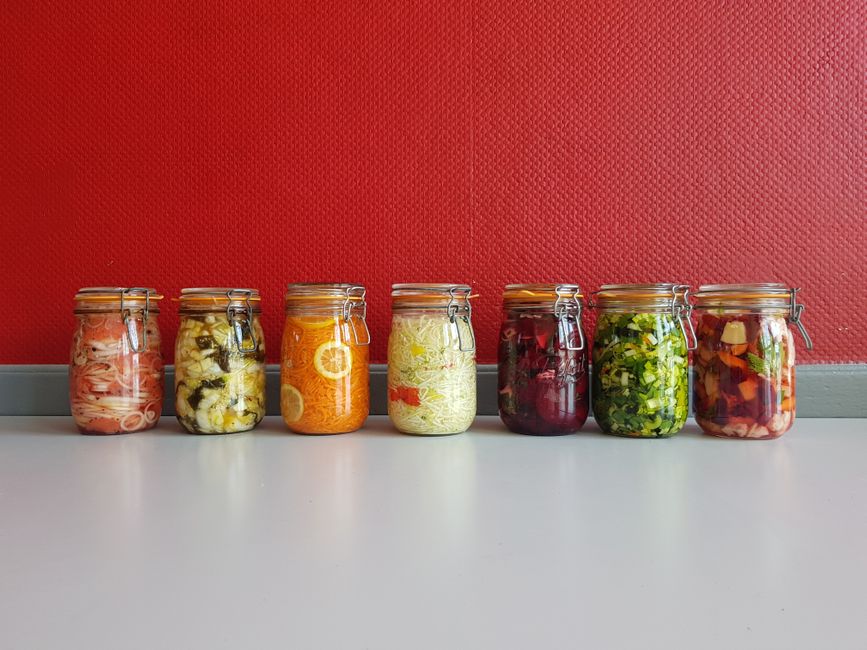
Photo by Beatrice B on Pexels
1. Fermented Foods: Natural Probiotics for Gut Healing
Fermented foods stand as nature's most potent allies in supporting a healthy gut. When you consume foods like sauerkraut, kimchi, and tempeh, you introduce live beneficial bacteria directly into your digestive system. These microorganisms—primarily Lactobacillus and Bifidobacterium strains—actively strengthen your gut barrier and reduce harmful bacteria populations.
A 2021 study published in Cell journal found that fermented food consumption significantly increased microbiota diversity within just four weeks. Participants who consumed fermented foods showed improved inflammatory markers and enhanced gut health markers. The beauty of fermented foods lies in their accessibility: you can easily incorporate yogurt, kefir, miso, and kombucha into your daily routine.
Start with small portions—just 1-2 tablespoons of fermented vegetables or one serving of fermented dairy daily. Your digestive system needs time to adjust to increased probiotic levels. Some people experience temporary bloating or digestive changes, which typically resolve within one to two weeks as your microbiome adapts.
2. Garlic and Onions: Prebiotic Powerhouses That Heal Your Gut
Garlic and onions contain inulin and fructooligosaccharides (FOS), compounds that act as prebiotics—food for your beneficial gut bacteria. Unlike probiotics that introduce new bacteria, prebiotics feed the beneficial bacteria already living in your digestive system, enabling them to thrive and multiply.
Research demonstrates that when you consume these sulfur-containing vegetables regularly, you create an environment where protective bacteria flourish. A 2019 study in the Journal of the Science of Food and Agriculture showed that garlic consumption enhanced the growth of Faecalibacterium prausnitzii, a bacteria strongly associated with good digestive health and reduced inflammation.
Raw garlic provides superior prebiotic benefits compared to cooked garlic, though both offer nutritional value. Add minced raw garlic to salads or dressings, or cook garlic lightly in olive oil to preserve some prebiotic compounds. If raw garlic causes digestive discomfort, try cooked varieties or fermented garlic supplements.
3. Bone Broth: Collagen-Rich Gut Healing Support
Bone broth has gained recognition among nutritionists for its unique amino acid profile, particularly glutamine and glycine, which directly support intestinal wall integrity. When you drink bone broth regularly, you provide your gut lining with the building blocks needed to repair and strengthen itself.
The collagen in bone broth breaks down into gelatin and amino acids that nourish your intestinal epithelial cells. While research specifically on bone broth remains limited, studies on glutamine supplementation show promising results for gut barrier function. A meta-analysis in Nutrients journal found glutamine supplementation beneficial for individuals with compromised gut integrity.
Simmer bones for 12-24 hours to extract maximum nutrients. You can consume bone broth plain, use it as a soup base, or add it to smoothies. If you're vegetarian or vegan, plant-based alternatives like mushroom broth offer similar benefits through polysaccharides that support gut lining health.
Key Takeaways
Fermented foods introduce beneficial probiotics that strengthen gut barrier function within weeks
Garlic and onions provide prebiotics that feed protective bacteria naturally present in your digestive system
Bone broth supplies glutamine and glycine, amino acids essential for intestinal wall repair
Gradual introduction prevents temporary digestive discomfort as your microbiome adapts
Consistency matters more than quantity—small daily portions outperform occasional large amounts
4. Leafy Greens: Fiber and Nutrients That Heal Gut Function
Spinach, kale, and other leafy greens deliver essential fiber, polyphenols, and nutrients that your gut bacteria desperately need. These vegetables contain sulfoquinovose, a unique sugar molecule that selectively feeds beneficial Bacteroides bacteria, organisms crucial for digestive health and immune function.
Research published in Nature Microbiology reveals that leafy greens create favorable conditions for protective bacteria to proliferate while crowding out harmful pathogens. When you consume adequate leafy greens—aim for 2-3 cups daily—you actively reshape your microbiome composition toward health-promoting organisms.
Raw leafy greens provide maximum nutritional density, but cooked versions remain beneficial and may be easier to digest for those with sensitive systems. If you struggle with raw vegetables, gentle steaming preserves most nutrients while reducing fiber intensity. Include variety: dark leafy greens offer different nutrient profiles and prebiotic compounds.
5. Berries: Antioxidants That Reduce Gut Inflammation
Blueberries, raspberries, and blackberries contain anthocyanins—powerful antioxidant compounds that reduce intestinal inflammation and support beneficial bacteria growth. These polyphenols aren't fully absorbed in your small intestine; instead, they reach your colon intact, where your gut bacteria ferment them into short-chain fatty acids.
A 2016 study in The American Journal of Clinical Nutrition found that regular berry consumption increased Akkermansia muciniphila, a bacteria strongly associated with intestinal barrier integrity and reduced leaky gut symptoms. Participants consuming one cup of berries daily showed measurable improvements in markers of intestinal inflammation within eight weeks.
Both fresh and frozen berries offer equivalent benefits—freezing preserves polyphenol content. Aim for one cup daily, incorporating berries into smoothies, oatmeal, or eaten plain as snacks. If you're managing blood sugar, pair berries with protein or healthy fats to moderate glycemic response.
6. Fatty Fish: Omega-3s That Support Gut Barrier Function
Salmon, sardines, and mackerel provide EPA and DHA omega-3 fatty acids that directly strengthen your intestinal tight junctions—the critical structures that control what passes through your gut lining. When you consume adequate omega-3s, you reduce intestinal permeability and support a robust barrier function.
Research in the Journal of Nutrition and Metabolism demonstrates that omega-3 consumption reduces pro-inflammatory cytokines in the gut and promotes the growth of beneficial bacteria. Participants consuming fatty fish twice weekly showed significant improvements in inflammatory markers and reported reduced digestive symptoms.
Consume 2-3 servings of fatty fish weekly for optimal benefits. If you follow a plant-based diet, consider supplementing with algae-derived omega-3s, though whole food sources provide additional nutrients and superior absorption. Ensure sustainable sourcing—look for MSC-certified seafood.
Food CategoryPrimary Gut-Healing CompoundRecommended Weekly ServingsBest PreparationFermented FoodsProbiotics (Live Bacteria)7+ servingsRaw or lightly heatedPrebiotic VegetablesInulin & FOS7+ servingsRaw or cookedLeafy GreensPolyphenols & Fiber7+ servingsRaw or steamedBerriesAnthocyanins7 servingsFresh or frozenFatty FishEPA/DHA Omega-3s2-3 servingsBaked or grilled
7. Apple and Pears: Soluble Fiber Foods That Heal Digestive Function
Apples and pears contain pectin, a soluble fiber that feeds beneficial bacteria while helping regulate bowel movements. When you consume these fruits regularly, you provide your gut microbiota with readily fermentable substrate, enabling them to produce short-chain fatty acids that nourish intestinal cells.
Research published in Nutrition Reviews shows that pectin consumption increases microbial diversity and promotes the growth of Faecalibacterium and Roseburia species—bacteria strongly associated with metabolic health and reduced inflammation. The skin contains the highest pectin concentration, so consume apples unpeeled when possible.
Aim for one whole apple or pear daily. If you experience digestive symptoms with raw fruit, try gently cooked or baked versions. Start slowly if you're unaccustomed to high fiber intake, increasing gradually over two weeks to allow your digestive system to adapt.
8. Resistant Starch: Cooled Potatoes and Legumes That Nourish Your Gut
Potatoes and legumes (beans, lentils) contain resistant starch—a carbohydrate that escapes digestion in your small intestine and ferments in your colon, directly feeding beneficial bacteria. This process produces butyrate, a short-chain fatty acid essential for intestinal barrier integrity and overall gut health.
Cooking then cooling potatoes and rice increases their resistant starch content significantly. A study in Nutrients journal found that participants consuming 15-20 grams of resistant starch daily showed increased butyrate-producing bacteria and improved insulin sensitivity within three weeks.
Include cooked-then-cooled potatoes in salads, serve legumes as protein sources, or consume oat bran for accessible resistant starch. For those managing blood sugar levels, pair starch with protein and healthy fats to moderate glycemic response. If beans cause bloating, rinse canned varieties thoroughly or soak dried beans before cooking.
9. Extra Virgin Olive Oil: Polyphenols That Reduce Inflammatory Responses
Extra virgin olive oil contains oleocanthal and oleuropein, polyphenols with potent anti-inflammatory properties that directly benefit your gut microbiota. When you use high-quality olive oil, you introduce compounds that reduce intestinal inflammation while feeding beneficial bacteria.
A landmark study published by the National Institutes of Health found that high polyphenol olive oil consumption increased beneficial bacterial populations and reduced markers of systemic inflammation. Participants consuming 2 tablespoons of extra virgin olive oil daily for twelve weeks showed significant microbiota shifts toward protective organisms.
Use extra virgin olive oil in dressings, drizzle over cooked foods, or consume a tablespoon with meals. Avoid heating extra virgin olive oil above its smoke point—use refined olive oil for cooking instead. Look for first cold-pressed, dark-bottled options to ensure maximum polyphenol content.
10. Ginger: Anti-inflammatory Root That Supports Digestive Wellness
Ginger contains gingerols and shogaols, compounds with well-documented anti-inflammatory and antimicrobial properties. When you consume ginger, you reduce harmful bacteria populations while promoting a favorable microbiota environment and improving digestive motility.
Research in the Journal of Medicinal Food demonstrates that ginger consumption reduces inflammatory markers in the digestive tract and improves symptoms of bloating and discomfort. The compounds in ginger also stimulate digestive enzymes, enhancing nutrient absorption and supporting overall digestive function.
Fresh ginger provides superior bioavailability compared to dried varieties. Add freshly grated ginger to teas, smoothies, stir-fries, or soups. Start with ½ to 1 teaspoon daily. If you take blood thinners or have a bleeding disorder, consult your healthcare provider before significantly increasing ginger intake, as it may enhance anticoagulant effects.
Creating Your Gut-Healing Meal Plan
Integrating these 10 foods that heal your gut requires a thoughtful, gradual approach. Rather than overhauling your entire diet overnight, start by adding one or two foods weekly. This measured approach allows your digestive system to adapt while preventing temporary bloating or digestive changes that discourage adherence.
Consider this sample daily pattern: begin breakfast with fermented yogurt topped with berries and ground flax; include leafy greens in your lunch salad dressed with extra virgin olive oil; consume a palm-sized portion of fatty fish at dinner; snack on an apple or pear in the afternoon; and sip ginger tea throughout the day. This framework incorporates multiple gut-healing foods naturally without requiring restrictive elimination diets.
Monitor how your body responds. Some people experience temporary changes in bowel habits or mild bloating as their microbiota rebalances—this typically resolves within one to two weeks. If symptoms persist or worsen, reduce intake temporarily and increase gradually. Everyone's microbiota composition differs, so personalization based on your response matters more than rigid adherence to general recommendations.
Consider keeping a food and symptom journal for two weeks. This practice reveals which foods your digestive system tolerates best and which require slower introduction or modification. You'll develop intuitive awareness of your body's unique needs while tracking meaningful improvements in energy, digestion, and overall wellbeing.
Frequently Asked Questions
How long does it take to see improvements in gut health from dietary changes?
Most people notice initial improvements in digestive comfort within 2-4 weeks of consistent dietary changes. Microbiota composition shifts take 4-8 weeks to develop substantially, and significant systemic improvements in immunity and energy may require 8-12 weeks of sustained dietary modifications. Consistency matters more than perfection—daily consumption of gut-healing foods produces superior results compared to occasional large amounts.
Can I take supplements instead of eating these whole foods?
Whole foods provide superior benefits compared to isolated supplements. They deliver not just single nutrients but complex combinations of compounds that work synergistically. Additionally, whole foods provide fiber that supports beneficial bacteria growth alongside nutrient delivery. While supplements offer convenience for specific situations (like travel), they shouldn't replace whole food consumption. Learn more about choosing between supplements and food sources.
Are these foods safe if I have IBS or other digestive conditions?
Most people with IBS tolerate these foods well when introduced gradually, though individual responses vary significantly. Those sensitive to FODMAPs (fermentable carbohydrates) should introduce garlic, onions, and high-fiber foods cautiously. Start with small portions and track responses. If you have inflammatory bowel disease (Crohn's or ulcerative colitis), consult your gastroenterologist before significantly increasing fiber or fermented food intake. Always consult your healthcare provider before making dietary changes if you have diagnosed digestive conditions.
Can children and elderly people consume these gut-healing foods?
Yes, these foods benefit children and elderly individuals alike. Young children may need softer preparations—cooked vegetables, pureed berries, or bone broth in soups. Elderly individuals often benefit from cooked rather than raw vegetables due to easier digestion. Both populations require gradual introduction of increased fiber and fermented foods. Monitor for tolerance and adjust portions accordingly.
Which foods should I prioritize if I'm just starting out?
Begin with fermented foods, leafy greens, and berries—these provide accessible gut-healing benefits with minimal digestive adjustment required. Add bone broth or fish next, followed by prebiotic foods like garlic and resistant starch. This progression allows your microbiota to adapt gradually while building momentum with visible health improvements that motivate continued dietary changes.
Start Your Gut-Healing Journey Today
Your digestive health represents one of your most powerful leverage points for overall wellness. By incorporating these 10 foods that heal your gut into your daily eating patterns, you actively reshape your microbiota, reduce inflammation, and strengthen your intestinal barrier. The science is clear: dietary choices directly determine your gut health outcomes.
Begin today by selecting two or three of these gut-healing foods to introduce this week. Commit to consistent consumption for at least four weeks before evaluating results. You'll likely notice improvements in digestive comfort, energy levels, and overall sense of wellbeing as your microbiota rebalances and your intestinal barrier strengthens.
Ready to transform your digestive health? Download our free 7-day gut-healing meal plan featuring recipes incorporating all 10 of these powerful foods. You'll receive concrete meal ideas, shopping lists, and preparation techniques to simplify your journey toward lasting digestive wellness. Your healthy gut is just one week of intentional eating away—start now.